

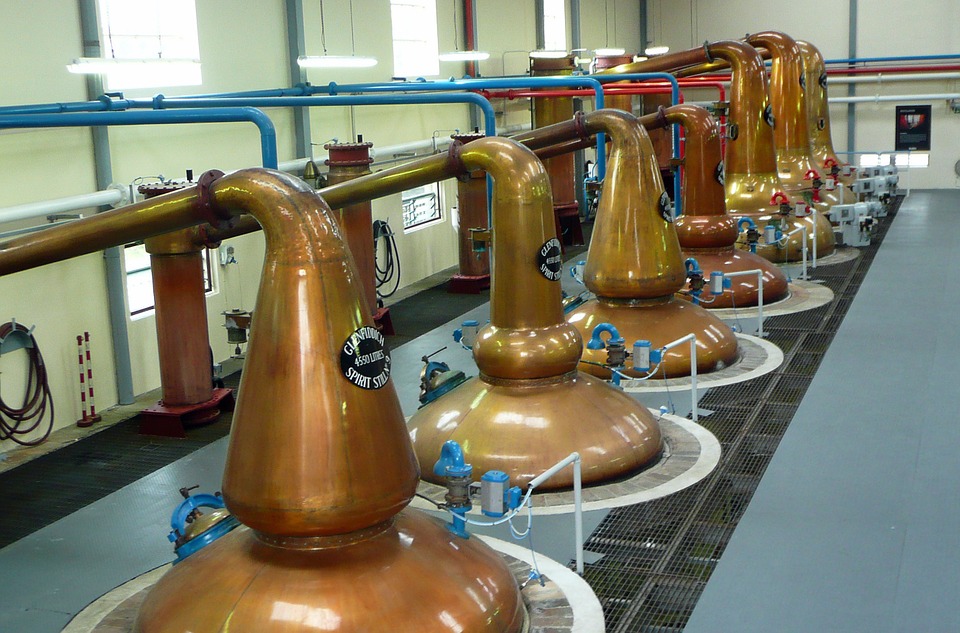
 The distillery manager is one of the most senior positions at a distillery. They are responsible for a variety of administrative tasks and ensuring that the routine operation of the distillery continues successfully. This role includes overseeing the production line and warehousing of various distilled beverages.
A distillery manager is responsible for driving improvement at a distillery. They must constantly look for new ways to improve production processes, the quality of the beverages being produced and the efficiency of the distillery.
Staff in this role will liaise with every division in the brewery, including sales, production, marketing and quality assurance. They will also meet with clients and suppliers as they actively promote the brands produced by the distillery.
This role involves a mixture of office duties and hands-on tasks on the production line and warehouses. This distillery manager must be capable of leading staff and appropriately directing resources. It is a demanding role but it is also very rewarding and exciting.
The precise duties of a distillery manager can vary depending on the size of the distillery. Typically they will be more hands-on when working at a smaller distillery while a larger distillery may involve more delegation of tasks. Some of their key responsibilities include:
A distillery manager will have a tertiary qualification relating to spirit production, for example a diploma in Distilling or a certificate from the Institute of Brewing and Distilling.
The Carling Partnership offers a range of specialist jobs for a wide range of companies exclusively in the distilling drinks industry.
A distillery manager’s responsibilities include managing the workforce to achieve production goals, maintaining the quality of products, overseeing equipment usage and maintenance, monitoring production costs, ensuring health and safety compliance, adhering to environmental regulations, participating in marketing activities, supervising production processes, undertaking administrative tasks, producing regulatory documents, managing staff recruitment, and driving continuous improvement in the distillery.
A tertiary qualification in spirit production is generally necessary for a distillery manager, such as a diploma in Distilling or a certificate from the Institute of Brewing and Distilling.
The role of a distillery manager requires significant experience in the distillation of spirits, managing staff, overseeing budgets, and project management within a distillery setting.
Essential skills for a distillery manager include strong communication, interpersonal skills, computer literacy, meticulous record-keeping, a commitment to continuous improvement, management, inventory management, strategic planning, marketing, operations management, supply chain management, and environmental awareness.
A distillery manager collaborates with the marketing team to enhance the distillery’s profile and actively promotes the distillery at events and to customers. They also handle the creation of regulatory documents required by authorities such as HMRC, ensuring the distillery operates within legal parameters.
Share


 News
