

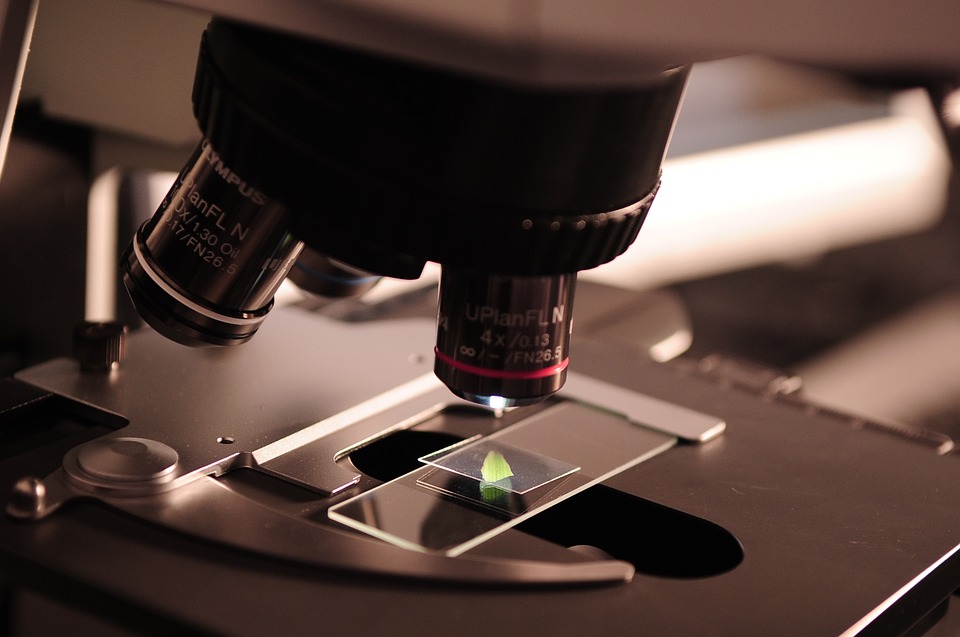
A drinks industry microbiologist has a highly technical role which is very important for the production of high-quality wine, beer or spirits. They are trained to use a variety of scientific and analytical techniques to monitor and study microbes including bacteria, fungi, and viruses.
A microbiologist will spend most of their time in a laboratory setting, analysing and identifying microbes found in the facility’s beverages against a database of known microbes. Their primary role is to ensure that there are no unsafe microbes being introduced during the beverage production process. It is a crucial quality control role that must be performed well to ensure the beverages produced are safe for public consumption.
A drinks industry microbiologist usually reports directly to a senior member of the quality control team. The microbiologist is also responsible for providing food safety and regulatory compliance advice to the production team of the facility.
Their key responsibilities include:
Because this role is so technically demanding, it is important that the microbiologist has a relevant graduate and/or postgraduate degree in microbiology, microbial science, biological science, biology, or applied biology.
They should also have some qualifications relevant to quality control and hazard reduction, for example, RIHP, HACCP and/or Lead Auditor qualifications.
A drinks industry microbiologist should have a number of years’ experience working in a microbiology laboratory. Ideally, they will have experience dealing with the types of beverages produced at the facility.
For jobs in the drink industry, visit our jobs page.
—
A drinks industry microbiologist specialises in using scientific and analytical techniques to monitor and study various microbes that could affect beverage quality. Their essential duty is to ensure the safety of wine, beer, or spirits by preventing unsafe microbial contamination during production, thereby guaranteeing that the products are safe for consumers.
Their responsibilities encompass managing microbiological facilities, advising other departments on food safety and contamination prevention, overseeing plant hygiene, ensuring regulatory compliance, monitoring water systems, supporting business and product development with scientific information, and assisting in achieving standards accreditation.
A microbiologist in the drinks industry should hold an advanced degree in microbiology, biological science, biology, or a related field. Additional qualifications in quality control and hazard analysis, such as RIHP, HACCP, or Lead Auditor certifications, are also important.
The position typically demands several years of experience working in a microbiology laboratory. Experience specific to the types of beverages produced by the facility is ideal, providing relevant expertise for the unique challenges of that production environment.
Key skills include a thorough knowledge of laboratory best practices, exceptional written and verbal communication, organisational skills for prioritising laboratory tests, meticulous attention to detail, strong analytical capabilities, computer literacy, adept decision-making, and the ability to identify critical food safety issues throughout the production process.
Share


 News
