

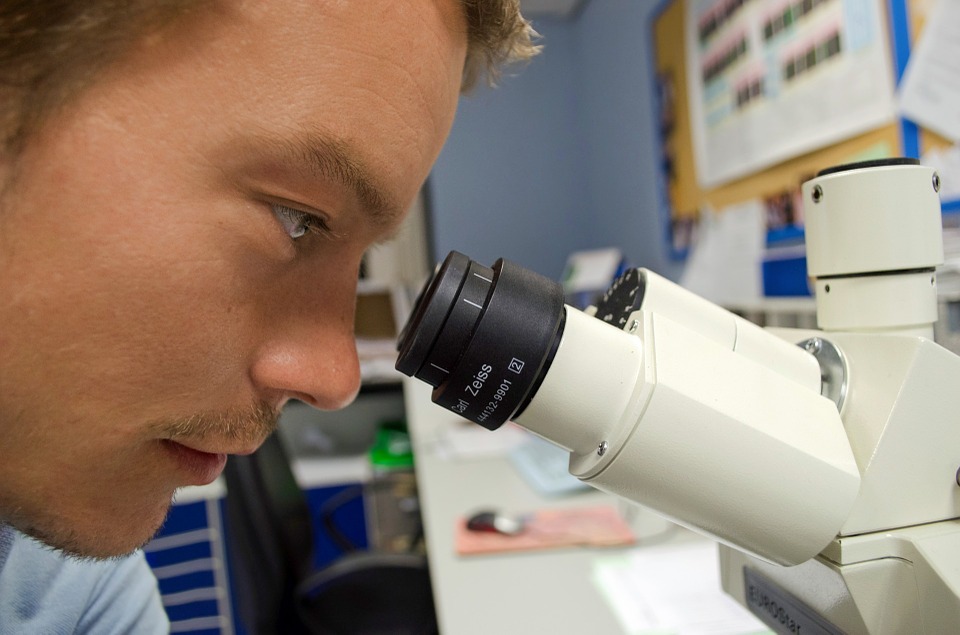
The raw materials chemist is an important technical role crucial for the success of a distillery. They are a part of the technical support team and are responsible for ensuring the raw materials used in the distillation process are of a suitable quality. They will also create guidelines and analytical processes to ensure high quality raw materials are available for the distillation process.
Some of the materials that the raw materials chemist may be working with include wheat, malt, yeast and other products used at the distillery. They work with distillers and suppliers to improve the products that the distillery creates and are also responsible for creating raw material specifications.
Most of the responsibilities of the raw materials chemist are highly technical and specialised. The key responsibilities include:
A Bachelor degree or higher in a science field (ideally chemistry) is required for this role.
Raw materials chemists should have experience with a variety of scientific processes and distillation processes.
Key skills of a raw materials chemist include:
The Carling Partnership offers a range of specialist jobs for a wide range of companies exclusively in the distilling drinks industry.
—
The primary role of a raw materials chemist in a distillery is to guarantee the quality of the raw materials used in the distillation process. They conduct tests, develop quality metrics, and establish guidelines to ensure that high-quality ingredients are consistently available for producing distilled beverages.
A raw materials chemist contributes to product quality by efficiently testing raw materials, developing Near-Infrared (NIR) models for in-house testing, and establishing quality specifications. They collaborate with suppliers and the procurement team to maintain the standards needed for superior product quality.
A raw materials chemist typically requires at least a Bachelor’s degree in a science discipline, with a focus on chemistry being highly ideal for the position.
A raw materials chemist should possess experience with NIR modelling software, practical laboratory equipment and procedures, knowledge of the malt and grain distillation process, and experience in quality assurance within a laboratory setting, preferably in a distillery.
Essential skills for a raw materials chemist include a deep understanding of malt and grain distilling processes, knowledge of raw material processing, proficiency with laboratory equipment and food safety practices, excellent communication, project management capabilities, self-motivation, and the ability to manage time effectively and work under pressure.
Share


 News
